A Set of Simple Seamless Patterns
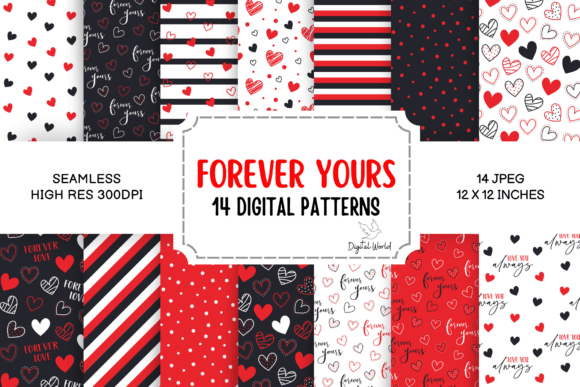
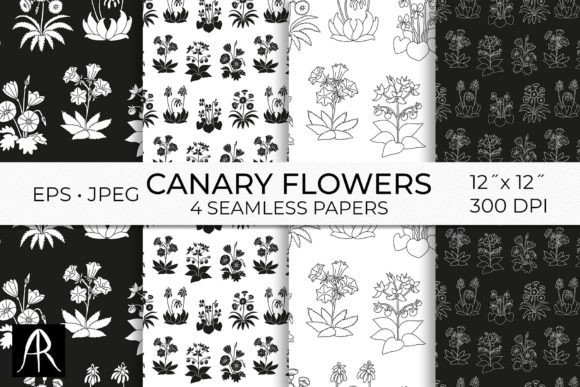
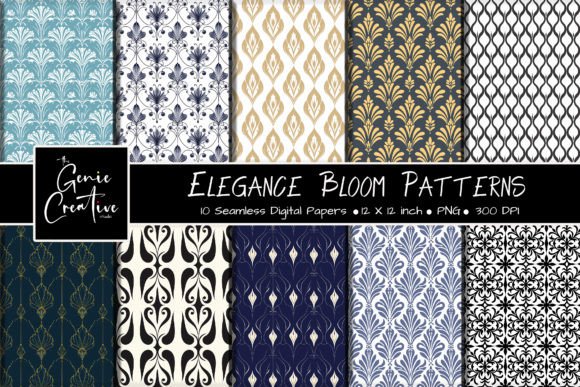
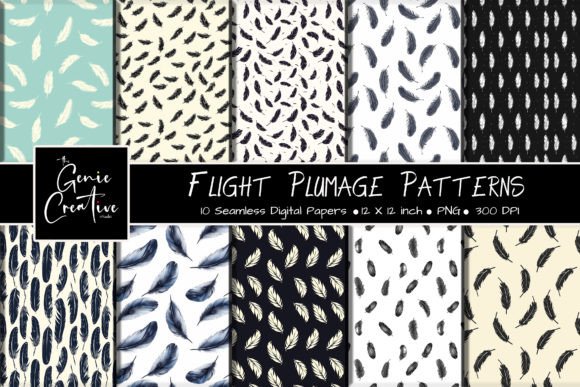
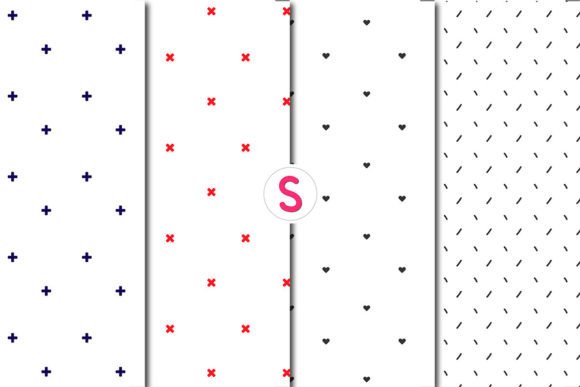
If you have ever stared at a blank canvas or a flat packaging mockup, wondering how to add that final touch of personality without overwhelming the design, you understand the struggle. Many creators rush to find graphics that are too complex or fail to adapt when they need to scale them down for a business card or up for a storefront banner. This is where A Set of Simple Seamless Patterns becomes an essential tool rather than just another download. It offers a versatile foundation that fits seamlessly into packaging design, wallpaper, decoration, cards, paper goods, backgrounds, wrapping, fabric, and all your creative projects.
The appeal lies in its simplicity. In a world of cluttered visuals, clean lines and repeatable motifs stand out. However, simply downloading a pattern file does not guarantee success. There are specific pitfalls regarding format compatibility, color management, and vector integrity that can turn a great asset into a frustrating experience. By understanding these nuances upfront, you can ensure your projects look professional and function exactly as intended.
Navigating Format Pitfalls: Why EPS 10 Matters
One of the most common errors beginners make is ignoring file formats. You might see a beautiful preview image and click "buy" without checking what you are actually getting. If you receive a raster image (like a standard JPG) instead of a vector, you will immediately hit a wall when trying to resize it. Raster images lose quality when scaled up, resulting in pixelated edges that ruin the presentation of high-end packaging or large-scale wallpaper.
A Set of Simple Seamless Patterns solves this by providing EPS 10 Formats. This is a crucial detail. EPS 10 ensures that your patterns remain crisp regardless of the size you apply them to. Whether you are printing on a massive roll of fabric or shrinking the design onto a small greeting card, the vectors stay sharp. Furthermore, including both EPS and JPG files in the package gives you flexibility. The JPG allows for quick previews in software that doesn't support vectors, while the EPS file remains your working document for precise editing.
When evaluating any graphic set, always verify that the file type matches your workflow. If you plan to use Adobe Illustrator, Inkscape, or CorelDRAW, you need vector data. If you skip this check, you risk having to recreate the pattern from scratch, wasting hours of time and money.
The Power of Editability and Color Control
A significant misunderstanding among hobbyists and even some professionals is assuming that a downloaded pattern is "set in stone." Many users treat graphic assets as static images, leading to designs that feel generic or mismatched with their brand identity. The real value of this collection lies in its 100 Editable Pre-sizeable vectors.
This means you are not limited to the colors shown in the preview. With the ability to create unlimited color variations, you can instantly adapt the patterns to match seasonal trends, corporate branding guidelines, or specific product packaging requirements. Imagine needing a navy blue version of a geometric pattern for a men's grooming box, but the original is red. Instead of searching for a new set, you simply open the AI file, select the elements, and change the fill color. This level of control transforms a single purchase into a reusable library for multiple campaigns.
To avoid poor results, ensure you are opening the correct file type for editing. While the JPG included is useful for reference, you must open the AI Files (or EPS converted to AI) to access the layer structure and color swatches. Failing to edit the source file often leads to clumsy workarounds, such as using filters to tint images, which degrades quality and looks unprofessional.
Common Application Mistakes to Avoid
Even with the right tools, how you apply the pattern can determine the success of your project. A frequent mistake is overusing seamless patterns. Because they are easy to tile, there is a temptation to cover every inch of a design with texture. This can create visual noise that distracts from the main message, whether that is a product name on a label or text on a blog post.
Consider the context of your project. For wrapping or fabric, a dense pattern works well because the eye travels across the surface. However, for cards or paper goods, using the pattern as a subtle background or a border often yields a more elegant result. The key is balance. Use the pattern to enhance the composition, not to dominate it.
Another oversight involves the scale of the pattern relative to the medium. A pattern that looks perfect on a computer screen might be too intricate when printed on a small business card or too sparse when blown up for a wallpaper mural. Before committing to a print run or a final export, always test the pattern at its actual output size. This step prevents costly reprints and ensures the visual rhythm of the design translates correctly to the physical world.
Maximizing Value for Creators and Entrepreneurs
For entrepreneurs and small business owners, efficiency is everything. Spending days hunting for the right textures or paying for custom illustrations can drain a budget quickly. A Set of Simple Seamless Patterns offers a cost-effective alternative that maintains high standards. By having a pre-vetted collection of editable vectors, you reduce the time spent on asset creation and focus more on strategy and marketing.
Freelancers and marketers should also consider the versatility of these assets. They can be repurposed across various channels. The same pattern used on a product label can be adapted for social media backgrounds, email headers, or website sections. This consistency builds brand recognition. However, do not assume one size fits all. When adapting the pattern for different platforms, remember to adjust the opacity and scale to suit the digital environment versus the print environment.
It is also important to respect licensing agreements. While these files offer unlimited editing capabilities, ensure you understand the terms of use regarding resale. Typically, you cannot resell the raw pattern file as your own stock art, but you can incorporate it into your finished products. Understanding these boundaries protects your reputation and avoids legal issues down the line.
Final Checklist Before You Start
Before diving into your next project, take a moment to review your technical setup. Ensure your design software supports the EPS 10 standard if you are using older versions of Adobe Creative Cloud. Check that your color profiles (CMYK for print, RGB for digital) are set correctly to prevent unexpected color shifts during production. Finally, organize your layers within the AI Files so you can easily isolate elements for future edits.
By approaching A Set of Simple Seamless Patterns with an understanding of its vector capabilities and application potential, you move beyond simple decoration to strategic design. These assets are designed to be flexible, robust, and ready for the demands of modern creativity. Whether you are a seasoned designer looking for a reliable background or a beginner wanting to elevate your handmade cards, these patterns provide the solid foundation you need to succeed. Focus on the details, respect the format, and let your creativity flow without technical limitations holding you back.