Retro Ikat Floral Patterns: A Comprehensive Evaluation
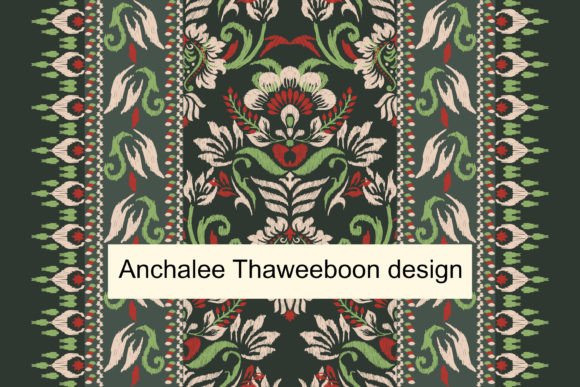
In the landscape of textile design and digital art, few styles command as much visual attention while retaining such deep cultural roots as Retro Ikat Floral Patterns. This aesthetic combines the blurred, tie-dye characteristics of traditional ikat weaving with the organic complexity of floral motifs, often set against rich backgrounds like green. When viewed through the lens of an Aztec style abstract vector illustration, the result is a unique fusion of ethnic oriental patterns and modern geometric abstraction. For designers, crafters, and brand managers evaluating this asset for texture, fabric, clothing, wrapping, decoration, scarves, or carpets, understanding its specific attributes is crucial.
Understanding the Core Design Elements
The term Retro Ikat Floral Patterns describes a specific visual language where traditional dyeing techniques are reimagined with contemporary graphic sensibilities. The defining characteristic of ikat is the slight blurring at the edges of the pattern, caused by the resistance dyeing of threads before they are woven. In a retro interpretation, this blur is often stylized to create a soft, dreamlike quality that contrasts sharply with sharp vector lines.
When this style incorporates floral paisley embroidery on a green background, it evokes a sense of heritage and nature simultaneously. The green backdrop serves as a grounding element, reminiscent of lush gardens or ancient tapestries, while the floral and paisley elements introduce movement and narrative. Furthermore, the inclusion of Aztec style abstract vector illustration adds a layer of structural integrity. These geometric underpins prevent the design from becoming too fluid, offering a balanced composition that works well in high-contrast applications.
Primary Applications and Use Cases
The versatility of this design makes it a strong candidate for various physical and digital mediums. Because the file details specify high-resolution formats (6000 x 4000 pixels) available in both EPS and JPG, the asset is scalable for both print production and web display.
- Fabric and Clothing: The combination of ethnic oriental patterns and floral motifs is ideal for fashion textiles. The pattern repeats effectively across large bolts of fabric, making it suitable for dresses, shirts, and upholstery. The green background allows the design to stand out without overwhelming the wearer.
- Home Decor and Carpets: For interior design, this pattern translates well into wall coverings, throw pillows, and area rugs. The Aztec influence provides a bold statement piece potential, while the ikat softness ensures it does not clash with existing furniture.
- Wrapping and Stationery: The intricate details of the paisley embroidery work beautifully on premium packaging paper or gift wrap. The high resolution ensures that fine lines remain crisp even when printed on smaller surfaces.
- Scarves and Accessories: Lightweight fabrics benefit from the semi-transparent nature of the ikat effect, creating depth when draped. The floral elements add a feminine touch, while the abstract geometry appeals to unisex markets.
Evaluating Benefits and Tradeoffs
Selecting a design asset involves weighing distinct advantages against potential limitations. Understanding these factors helps in making an informed decision about whether Retro Ikat Floral Patterns aligns with project goals.
Key Benefits
The primary advantage of this pattern lies in its ability to convey authenticity and craftsmanship. The ethnic oriental pattern aspect signals a connection to tradition, which can elevate the perceived value of a product. Additionally, the vector-based nature of the Aztec style elements ensures that the design remains scalable without pixelation, a critical factor for large-format printing like carpets or banners.
The color palette, specifically the green background, offers a natural, calming aesthetic that is currently trending in sustainable and eco-friendly design sectors. It bridges the gap between vintage charm and modern minimalism, allowing it to fit into diverse branding strategies.
Potential Tradeoffs
However, there are considerations to keep in mind. The complexity of combining ikat blurring with sharp vector geometry can sometimes lead to visual noise if not applied correctly. On very small scales, such as mobile app icons or tiny logos, the intricate paisley details may become indistinguishable.
Furthermore, the specific "retro" aesthetic might not appeal to all demographics. While it resonates with audiences seeking bohemian or artisanal vibes, it may feel dated or overly busy for brands targeting a strictly futuristic or ultra-minimalist market. The green background, while popular, limits immediate application to projects requiring neutral or warm-toned palettes without significant color manipulation.
Situational Fit: When to Choose This Pattern
This design is a strong fit for projects aiming to evoke warmth, history, and handcrafted quality. If the goal is to create a product line that feels personal and rooted in culture, the Retro Ikat Floral Patterns asset is highly effective. It is particularly suitable for:
- Lifestyle Brands: Companies focusing on home goods, yoga wear, or organic products benefit from the natural imagery and earthy tones.
- Cultural Events and Festivals: The ethnic and oriental elements make it appropriate for decorations related to cultural celebrations or heritage months.
- Premium Packaging: For luxury items where the unboxing experience is paramount, the detailed texture of the embroidery look adds a tactile dimension to the visual presentation.
When to Consider Alternatives
Despite its strengths, this pattern may not be the optimal choice for every scenario. If a project requires a clean, corporate identity, the busy nature of the floral and paisley mix could be distracting. Similarly, if the target audience prefers stark, monochromatic designs, the colored background and complex motifs might detract from the message.
Additionally, if the production process involves low-resolution printing or limited color capabilities (such as single-color screen printing), the nuance of the ikat blur and the gradient effects within the green background may be lost. In such cases, a simplified geometric version or a solid-color icon would be more practical.
Practical Decision-Making Insights
To determine if this asset meets your needs, consider the following checklist based on your specific requirements:
- Resolution Check: Ensure your intended print size does not exceed the 6000 x 4000 pixel limit without interpolation. For large-scale carpet manufacturing, verify that the dot pitch of the printer can render the subtle ikat blurs accurately.
- Color Compatibility: Test the green background against your brand colors. Does it complement your logo, or does it compete for attention? The success of the design often depends on how well the background integrates with other brand elements.
- File Format Utility: Leverage the EPS format for scalability in vector software like Adobe Illustrator. Use the JPG format for quick previews or web optimization, but remember that the raster version will lose detail if stretched beyond its native dimensions.
Ultimately, the decision to use Retro Ikat Floral Patterns should be driven by the emotional response you wish to elicit from your audience. If the goal is to communicate richness, tradition, and artistic flair, this design offers a robust foundation. By carefully considering the tradeoffs regarding scale, color, and context, designers can ensure that the final output honors the integrity of the original artwork while meeting functional demands.
For those who appreciate the intersection of historical technique and modern abstraction, this asset represents a valuable resource. Whether applied to a delicate scarf or a heavy-duty carpet, the blend of floral paisley embroidery and Aztec abstraction creates a timeless appeal that transcends fleeting trends.